If you are selling a home in Belle Chasse, it helps to start with one clear truth: you may need a smart plan more than pure speed. Recent market data points to a slower, buyer-leaning environment, which means pricing, presentation, and follow-through can shape your result just as much as your home's features. When you know what to expect from prep to closing, you can make better decisions and avoid costly missteps. Let’s dive in.
Understand Belle Chasse market timing
Belle Chasse is not acting like a market where most homes sell overnight. Public market trackers show median days on market ranging from 112 to 191 days, with homes often selling below list price. Redfin’s Belle Chasse housing market data reported a February 2026 median sale price of $413,500 and median days on market of 191, while broader Plaquemines data also points to longer timelines.
What does that mean for you as a seller? In simple terms, you should plan for a real marketing window. Instead of expecting instant multiple offers, it is more realistic to prepare your home carefully, price it strategically, and stay flexible during showings and negotiations.
Start with pre-listing prep
Before you think about photos or a listing date, focus on the condition and presentation of your home. In a market where buyers have time to compare options, small details can affect both interest level and offer strength. A clean, well-prepared property can help you stand out.
According to the 2025 NAR staging report, 29% of agents saw staged homes receive offers that were 1% to 10% higher, and 49% said staging reduced time on market. The most common recommendations were simple ones: decluttering, cleaning, and improving curb appeal.
Focus on visible improvements
Not every repair will pay off equally. In most cases, the best pre-listing work is the kind buyers notice right away when they scroll photos or walk through the front door.
Start with basics like:
- Deep cleaning throughout the home
- Removing clutter and extra furniture
- Touching up paint where needed
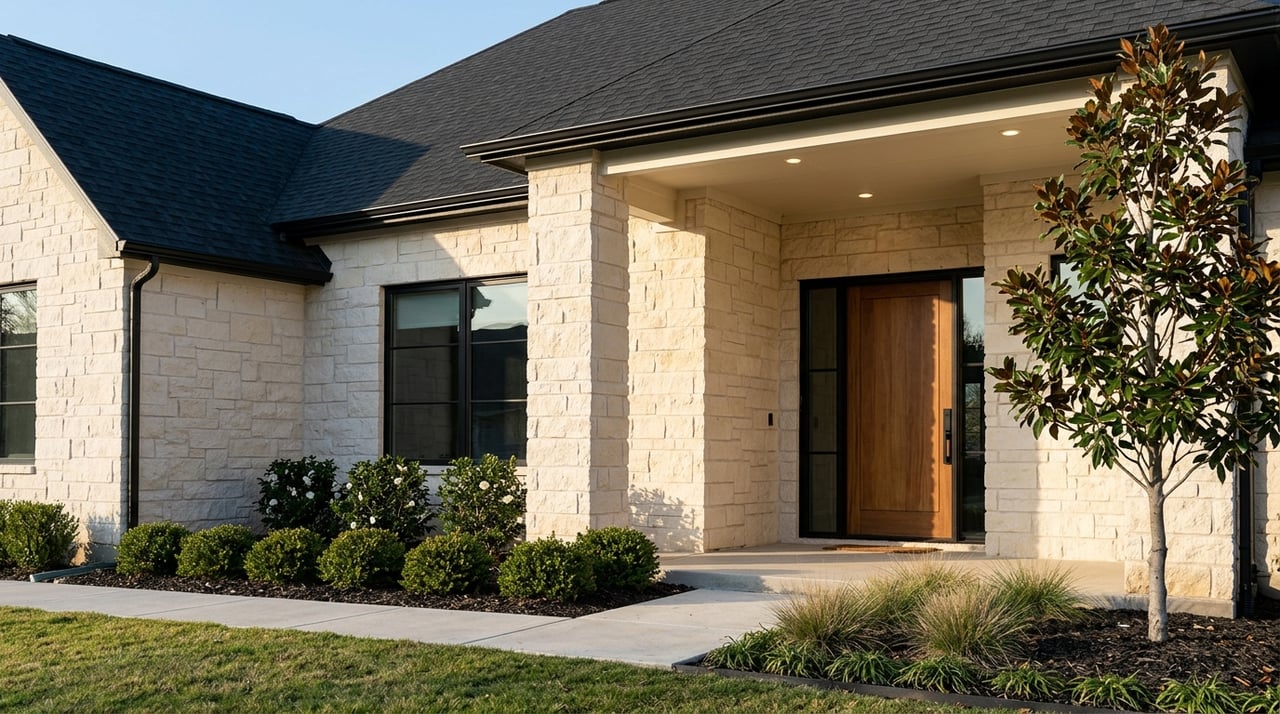
- Improving curb appeal with trimmed landscaping and a tidy entry
- Fixing obvious maintenance issues buyers may flag quickly
A practical local strategy matters here. The National Association of Realtors guide for sellers notes that an agent can help you decide which repairs are worth doing, which can wait, and how much staging makes sense for your goals.
Gather Belle Chasse property details
In Belle Chasse and greater Plaquemines Parish, local property details can play a big role in buyer questions. Before listing, it helps to review items tied to flood preparedness, property records, and disclosures so you are ready to answer questions clearly.
The Plaquemines Parish flood preparedness resources note the parish’s floodplain management efforts, drainage and pumping system maintenance, and GIS mapping for waterways, easements, drainage ditches, zoning districts, and other property-related features. If your buyer asks about flood-related factors or mapped features, having organized information can save time later.
If the home is your primary residence, you may also want to confirm whether a homestead exemption applies. The parish assessor notes that primary residences can claim homestead exemption on the first $75,000 of property value, which can affect tax estimates and your net-sheet planning.
Price your home for today’s market
Pricing is one of the biggest decisions you will make, especially in a market where homes may sit for months if they miss the mark. It is tempting to start high and hope buyers negotiate up to your target, but that approach can backfire when buyers have other options.
According to NAR’s pricing guide, asking price should be based on comparable sales, property condition, size, location, amenities, and current market conditions. In Belle Chasse, where recent reports show homes often selling around 3.7% to 4% below list, your price needs to reflect the market you are in, not the one you wish you had.
Why first-week pricing matters
Your first week on the market is important because that is when your listing is freshest. Buyers who have been watching Belle Chasse inventory are likely to notice right away if your home looks well-priced, overpriced, or underprepared.
In a slower market, chasing the market down with multiple price cuts can weaken momentum. A thoughtful launch with strong presentation and realistic pricing often gives you a better chance to attract serious interest early.
Match pricing to your goals
The right list price depends partly on your timeline. NAR notes that if you want to move quickly, a more competitive asking price may make sense. If you have more flexibility, you may decide to test a slightly higher number, but you still need to stay grounded in comps and buyer demand.
A local broker can help you weigh those tradeoffs. That guidance is especially useful in Belle Chasse, where pricing sensitivity appears stronger than urgency-driven demand.
Build a strong marketing plan
Marketing your home means more than putting it online and hoping for the best. Buyers often decide which homes to tour based on what they see in the first few seconds of a listing. That makes visual presentation and listing exposure especially important.
The NAR consumer guide to marketing your home notes that MLS distribution usually provides the broadest exposure. It also highlights the value of professional photos, video, physical staging, virtual tours, showings, and open houses.
What buyers notice first
In many cases, buyers will see your home online before they ever schedule a showing. That means your photos, video, and overall visual story need to help them imagine the property clearly and confidently.
Helpful marketing tools can include:
- High-quality listing photos
- Video walkthroughs
- Virtual tours
- Physical staging where appropriate
- Flexible showing access
- Open houses when they fit the strategy
In a market where homes can take time to sell, strong digital presentation is not extra. It is part of the core strategy.
Review offers carefully
When offers come in, price matters, but it is not the only thing that matters. A higher offer can look great at first glance, yet still carry more risk if the financing is shaky or the contingency timeline is complicated.
NAR notes in its pricing guidance that a cash offer can sometimes be stronger than a higher financed offer because it may close faster and involve fewer contingencies. That does not mean every cash offer wins, but it does mean you should compare the full picture, not just the top line.
Compare the terms, not just the number
As you review offers, pay attention to:
- Financing type
- Contingencies
- Inspection requests
- Proposed closing date
- Earnest money amount
- Whether the buyer is asking for credits or repairs
The best offer is often the one most likely to close on terms that work for you. In a slower market, that kind of practical decision-making can protect your time and bottom line.
Prepare for the closing process
Once you accept an offer, the home is not sold yet. Closing usually takes several more weeks, and this stage can involve inspections, title work, insurance coordination, lender document requests, and deadline management.
The Consumer Financial Protection Bureau’s closing overview explains that buyers often need to submit more lender documents, schedule a home inspection, shop for insurance, and review closing paperwork before settlement. For you as the seller, this means staying organized and responding quickly when questions or repair issues come up.
What can slow a Belle Chasse sale
Even after you are under contract, several things can delay closing:
- Inspection issues
- Repair negotiations
- Insurance questions
- Financing delays
- Title review issues
- Changes to loan terms and closing documents
The CFPB also notes that if loan terms change, the buyer may receive a revised Closing Disclosure and, in limited cases, a new three-business-day review period. That is one reason realistic timelines and clear communication matter so much.
Handle repairs and credits carefully
If the buyer requests repairs after inspections, you may have a few paths forward. Depending on the issue and the contract terms, you might agree to complete the repair, negotiate a credit, or adjust terms another way.
According to the CFPB’s guidance on closing the deal, final walk-throughs help confirm that agreed repairs were completed before closing. If finishing repairs becomes difficult, a seller credit may sometimes be a practical alternative, depending on the situation.
Know the paperwork involved
Selling a home includes more than pricing and showings. Louisiana sellers should also be ready for the paperwork that supports the transaction from listing to closing.
Your research report notes that Louisiana’s 2026 mandatory forms package includes the Property Disclosure Form and the Residential Agreement to Buy or Sell, effective January 1, 2026. Having your information organized early can help reduce stress once you are actively negotiating.
Why local guidance matters
Belle Chasse sellers are dealing with a market that appears more measured than rushed. In that kind of environment, the details matter. Pricing too high, skipping prep, or underestimating contract-to-close deadlines can cost you time and leverage.
That is where local, practical guidance can make a difference. From comparing comps to planning repairs, coordinating marketing, and navigating offers, a steady advisor helps you move through each step with fewer surprises.
If you are thinking about selling in Belle Chasse and want practical guidance from prep to closing, connect with Armstrong Realty. You can start with a clear strategy and a free home valuation tailored to your property and timing.
FAQs
What is the typical time to sell a home in Belle Chasse?
- Recent public data in the research report shows Belle Chasse homes taking about 112 to 191 days on market, so you should plan for a sales timeline that may take several months rather than just a few days.
What should sellers fix before listing a Belle Chasse home?
- Sellers often get the most value from visible improvements such as cleaning, decluttering, curb appeal work, and fixing obvious maintenance items that may affect buyer interest.
How should you price a home in Belle Chasse?
- Your list price should be based on recent comparable sales, your home’s condition, size, location, amenities, and current market conditions, not just your target number.
Do flood-related details matter when selling a Belle Chasse property?
- Yes, buyers may ask about flood preparedness, mapped property features, easements, drainage, and related local records, so it helps to gather that information before listing.
What happens after you accept an offer on a Belle Chasse home?
- After acceptance, the transaction usually moves through inspections, financing, insurance, title work, document review, possible repair negotiations, and final closing steps before ownership transfers.
What Louisiana forms should sellers expect during a home sale?
- The research report notes that Louisiana’s 2026 mandatory forms package includes the Property Disclosure Form and the Residential Agreement to Buy or Sell.