Wondering what day-to-day life in Westwego actually feels like? If you are thinking about moving, buying, or simply learning more about this part of Jefferson Parish, it helps to look past the map and picture your real routine. From commute options and housing variety to seafood stops, local events, and outdoor time, here is a practical look at what daily life is really like in Westwego. Let’s dive in.
Westwego at a Glance
Westwego is a small city on the West Bank in Jefferson Parish with an estimated 8,317 residents as of July 2025. Census data also shows a median household income of $46,261, a median gross rent of $1,049, an owner-occupied housing rate of 51.4%, and a median owner-occupied home value of $177,400.
That data points to a community with a mix of owners and renters, not a place defined by just one type of household or housing style. In practical terms, Westwego often feels more like an established, lived-in city than a newer master-planned area.
A Strong Sense of Place
One of the first things you notice about Westwego is that it has a distinct identity. Local city and tourism sources tie the area to rail history, fishing, shrimping, and its connection to the river, and that history still shapes how the city feels today.
Instead of feeling generic, Westwego has a compact, local rhythm. You see that in places like historic Sala Avenue, the Shrimp Lot, Bayou Segnette, and the Mississippi riverfront areas that continue to anchor daily routines and community events.
What the Housing Mix Feels Like
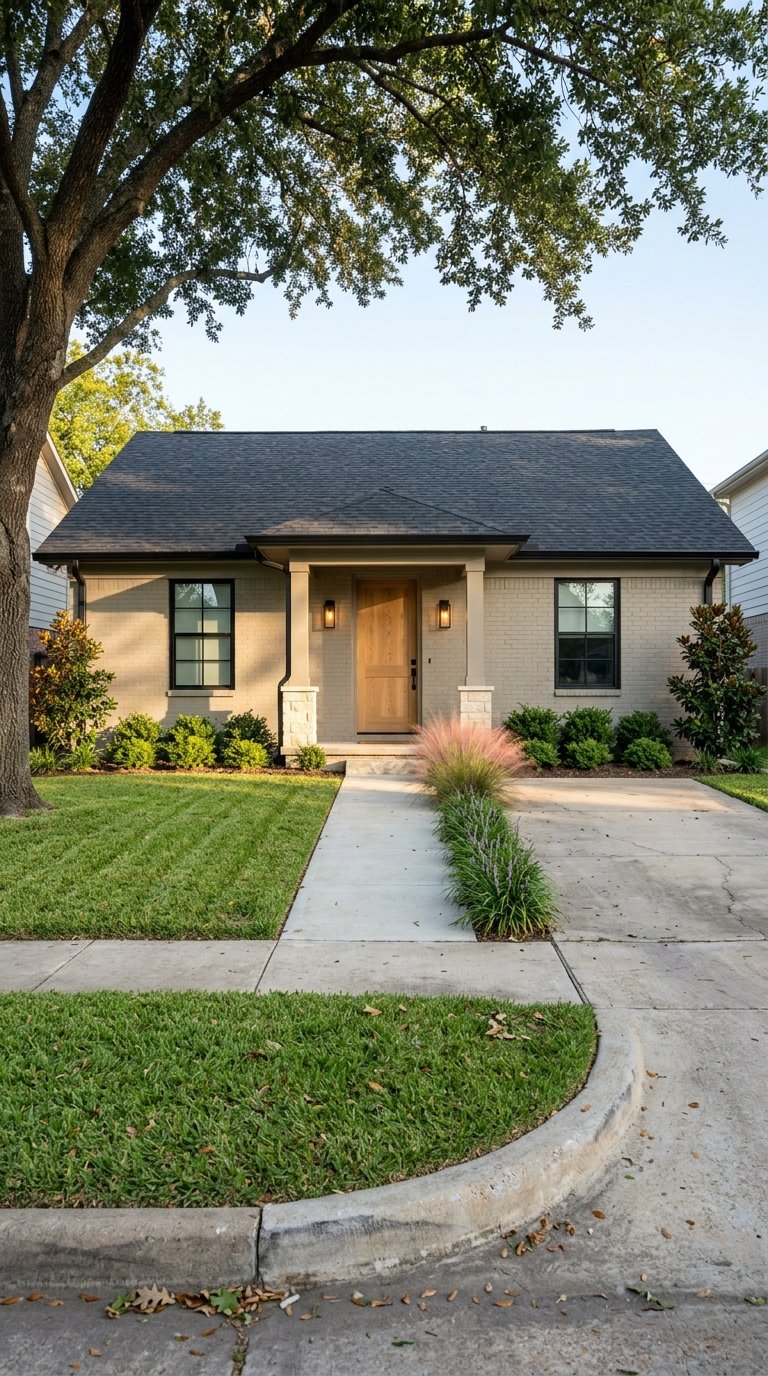
Westwego’s housing stock is varied. Research based on ACS housing profiles shows that single-family detached homes are the largest category, but duplexes and apartment buildings are also meaningful parts of the market.
Much of the housing dates from the 1940s through 1999, which gives the city an older, low-rise feel. If you are used to neighborhoods filled with brand-new construction, Westwego may feel different in a good way: more established, more mixed, and less uniform.
Expect Variety, Not Uniformity
In Westwego, you are less likely to find a cookie-cutter streetscape and more likely to see a range of home sizes, lot setups, and property types. That can matter whether you are a first-time buyer looking for options or an investor exploring small multi-family opportunities.
For buyers, that variety can open up different price points and property styles. For sellers, it means hyper-local pricing and neighborhood knowledge matter, because two homes in the same area may not fit the same pattern.
Commuting and Getting Around
For many residents, daily life in Westwego is still car-first. At the same time, the city does have public transit options that add flexibility, especially for people commuting across the West Bank or toward downtown New Orleans.
Census QuickFacts lists the mean travel time to work at 24.3 minutes. That gives you a useful snapshot of what a typical commute may look like in and around the area.
Bus Service in Westwego
JP Transit serves parts of Westwego through the W1 Avondale route, which connects from Walkertown Terminal and links with other West Bank routes. The W2 Westbank Expressway route connects both Westbank terminals and provides service to the New Orleans Central Business District.
JP Transit says W2 operates seven days a week, with bus stops generally about every two blocks. For riders who cannot use fixed-route service, MITS paratransit is also available seven days a week.
Walking and Biking Improvements
Westwego’s Safe Streets plan highlights areas like River Road, Sala Avenue, Fourth Street, and the Keyhole Canal Greenway for multimodal improvements. Those plans include features such as stop signs, speed bumps, and bike lanes.
That does not mean Westwego is suddenly a walk-everywhere city. It does mean there is a stated effort to make some everyday routes safer and more connected for people walking or biking.
Outdoor Time Is Easy to Find
If you like having outdoor options close to home, Westwego has some real strengths. Bayou Segnette State Park is the biggest outdoor anchor in the city, and it offers a wide range of ways to spend free time.
According to the official state park page, the 676-acre park includes boating, fishing, canoeing, hiking, picnicking, playgrounds, cabins, group lodging, pavilions, and a nature trail. It is open daily, which makes it an easy fit for regular routines, not just special outings.
River and Park Spaces
Westwego’s visitor information also points to Lazy River Landing and the Mississippi Overlook as everyday destinations for river views and outdoor breaks. Along Sala Avenue, walking-tour signs add another casual way to explore the city at your own pace.
There is also a public park at Avenue D and the Westbank Expressway with a walking track and playground equipment. For many households, that kind of nearby park access shapes daily life more than big attractions do.
A Larger Event Venue Nearby
The Alario Center on Segnette Boulevard adds another layer to local life. Visit Jefferson Parish describes it as a major West Bank venue with three basketball arenas, a baseball field, and outdoor festival grounds.
That gives Westwego residents access to a larger event and recreation hub close to home. Depending on the calendar, that can mean sports, festivals, and community gatherings without a long drive.
Food and Errands Have a Local Flavor
Westwego’s food scene has a strong seafood identity, but it is not limited to one kind of dining. Daily life here often includes practical local stops rather than a polished chain-heavy experience.
A standout example is the Westwego Shrimp Lot, which Visit Jefferson Parish lists as a daily market open from 8:00 a.m. to 6:00 p.m. selling fresh crabs, fish, shrimp, and more. If you enjoy cooking at home or want fresh local seafood as part of your routine, that kind of access stands out.
More Than Seafood
The area also includes places like Segnette Landing for Cajun seafood dining with outdoor seating on Bayou Segnette and Las Maracas on Louisiana Street for family dining. That mix helps give the city a practical, neighborhood-serving feel.
In other words, Westwego’s food rhythm leans local and familiar. It is less about endless trendy openings and more about reliable spots that fit into everyday life.
Community Events Add Energy
One of the clearest signs of Westwego’s local character is its event calendar. The Westwego Farmers & Fisheries Market functions as both a shopping space and a gathering place.
The city says the market hosts bi-monthly Tuesday markets, weekend markets, and annual events including the Crawfish Cook Off, Sala Street Fest, Big Wheels in Westwego, PET FEST, Westwego Cypress Swamp Fest, spring and fall Friday Night Concerts, and holiday programming.
A Real Community Hub
The market includes more than 40 covered booth spaces and free parking, and the city describes it as a venue for family shopping and entertainment. For residents, that means there are recurring chances to be out in the community without needing a major plan.
This is one reason Westwego can feel more connected than a place where everything happens behind closed doors or in distant retail centers. The city has visible public spaces where local life regularly shows up.
Sala Avenue Shapes the Everyday Feel
Historic Sala Avenue plays a big role in how Westwego feels on a normal day. The city describes it as the historic and cultural district, and it gives the community a walkable, small-scale center.
Along that stretch, you will find the Westwego Historical Museum in the century-old Fisherman’s Exchange Building and the Josh Wingerter Gallery nearby. Even if you are not visiting those places every week, their presence adds character and reinforces the sense that Westwego has roots.
Compact and Recognizable
That compact layout matters. In many communities, daily errands, dining, and recreation are scattered so widely that local identity feels thin.
In Westwego, the concentration around Sala Avenue, Bayou Segnette, and the Westbank Expressway helps create a more recognizable rhythm. You start to understand the city through repeat places and familiar routes.
So, What Is Daily Life Really Like?
Daily life in Westwego feels practical, local, and established. You have a mix of older housing, a commute pattern that is still largely car-based but supported by transit, easy access to outdoor spaces, and a food scene grounded in seafood and neighborhood staples.
You also have something that can be hard to find in more generic suburbs: a clear local identity. Westwego’s ties to the river, rail, fishing, and community events show up in the places people actually use, not just in marketing language.
For buyers, sellers, and investors, that matters. A place with a strong day-to-day character often requires more local insight, because value is shaped not only by square footage or age, but also by how the community functions in real life.
If you are considering a move in Westwego or want help understanding how this pocket of Jefferson Parish fits your goals, working with a local team can make the decision much clearer. Armstrong Realty offers practical, community-rooted guidance across the West Bank and Jefferson Parish, whether you are buying your first home, selling, or exploring investment property.
FAQs
What is the housing market feel like in Westwego?
- Westwego has an older, low-rise housing mix with single-family homes, duplexes, and apartment buildings, and much of the stock dates from the 1940s through 1999.
What is commuting like from Westwego?
- Westwego is generally car-first, but JP Transit serves the area through the W1 Avondale and W2 Westbank Expressway routes, and Census data shows a mean travel time to work of 24.3 minutes.
What outdoor activities are available in Westwego?
- Residents have access to Bayou Segnette State Park for boating, fishing, hiking, picnicking, playgrounds, and more, along with local spots like Lazy River Landing, the Mississippi Overlook, and a public park with a walking track and playground.
What makes Westwego feel different from other suburbs?
- Westwego stands out for its compact layout, historic Sala Avenue, seafood market culture, river and bayou access, and recurring community events that give the city a distinct local rhythm.
What kinds of local events happen in Westwego?
- The Westwego Farmers & Fisheries Market hosts bi-monthly Tuesday markets, weekend markets, and annual events such as the Crawfish Cook Off, Sala Street Fest, Friday Night Concerts, and holiday programming.